Backyard Makeover: What to Do After Removing a Swimming Pool
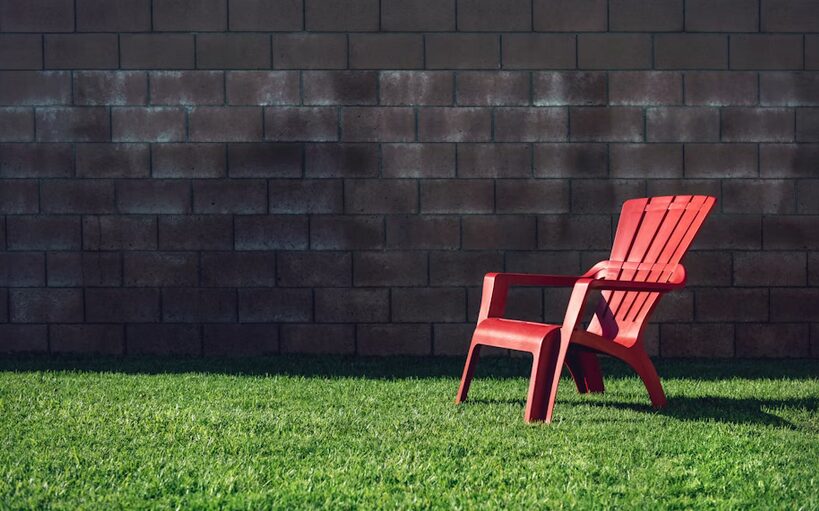
Removing a swimming pool is a major decision. It often follows years of maintenance costs, safety concerns, or changing lifestyle needs. Many homeowners exploring Fort Worth pool removals reach this point after realizing the pool no longer fits their priorities. Once the demolition is complete, homeowners face a wide open space that feels unfamiliar. The concrete is gone. The water is gone. What remains is potential. A backyard makeover after pool removal is not just about filling space. It is about reshaping how you live at home. The key is to approach the transformation with clarity. Think long term. Focus on functionality. Plan with intention.
Assessing the Condition of the Yard
Before designing anything new, inspect the area carefully. Professional pool removal typically involves either partial or full removal. With full removal, the entire structure is taken out and replaced with compacted soil. This process should ensure proper drainage and soil stability. Still, settling can occur during the first year. Walk the space. Look for uneven patches or poor grading. Test the soil quality. Compacted backfill may need additional topsoil before planting grass or installing landscaping. If water pools after rain, regrading may be necessary. Good preparation prevents future repairs. It also helps to request documentation from the contractor. Proper permits and compaction reports add value if you plan to sell later. Buyers appreciate proof that the work was completed to the utmost standard.
Reimagining Outdoor Living Space
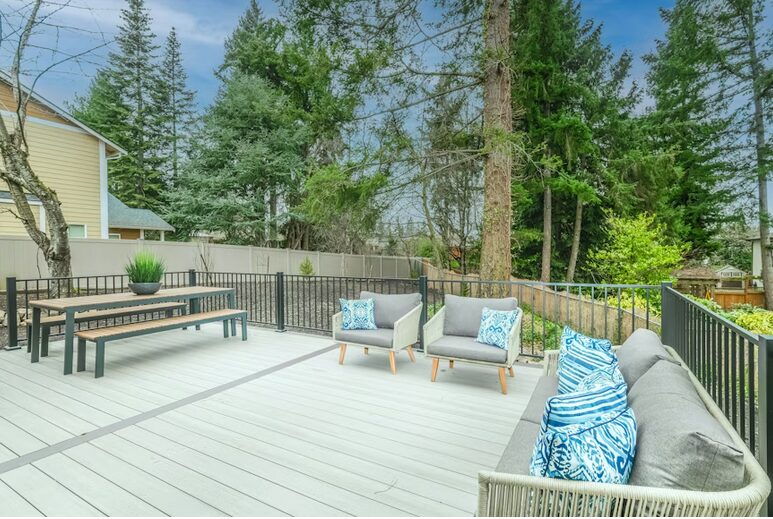
Now comes the exciting part. Decide how you want to use the yard. Families often prefer open lawn areas for children or pets. Others choose entertainment spaces such as patios or outdoor kitchens. The absence of a pool allows for a more flexible design. Think about how you spend time outside. Do you host gatherings? Do you want a quiet retreat? A well-designed patio with shade structures can turn the backyard into an outdoor room. Adding comfortable seating and lighting creates a welcoming atmosphere without constant maintenance. If privacy is a concern, consider fencing, hedges, or pergolas. The goal is to create a space that fits your lifestyle today, not one that demands constant upkeep.
Upgrading Landscaping for Long-Term Value
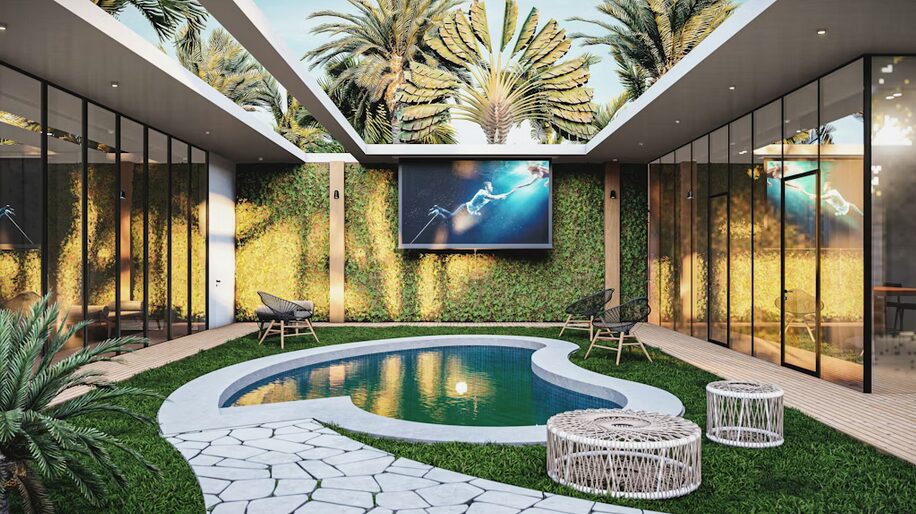
Landscaping plays a major role in the transformation. Fresh sod can quickly restore a clean look. However, thoughtful planting brings depth and character. Choose plants suited to your climate. This reduces water use and lowers maintenance. Native plants are often a smart option. They adapt well to local soil and weather conditions. Mulch beds, stone pathways, and defined garden borders can give the yard a polished finish. Good drainage remains critical. Proper grading will ensure rainwater flows away from your home’s foundation. Consider adding a focal point. This might be a fire pit, a small garden structure, or a seating nook. It does not need to be extravagant. It simply needs to reflect your vision. The space can feel cohesive and intentional rather than like a filled hole.
Creating Functional Zones
Large open yards can feel empty if not divided thoughtfully. Creating zones gives structure. One section may serve as a dining area. Another could be reserved for relaxation. A small corner might support raised garden beds. Hardscaping helps define these areas. Pavers, decking, or gravel sections break up the landscape visually. These elements also reduce mowing and watering. Compared to pool ownership, most homeowners enjoy fewer maintenance tasks and lower utility bills. If you work from home, consider a quiet outdoor workspace. A shaded bench or compact garden office can transform the yard into a productive extension of your home. The absence of a pool opens possibilities that were once limited by water and concrete.
Considering Sustainability and Budget
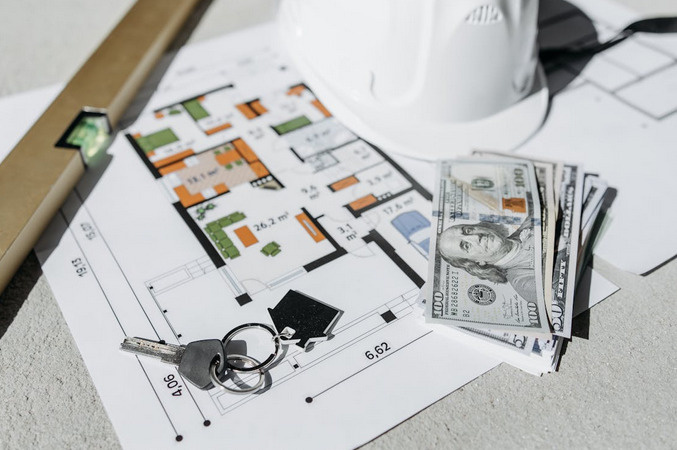
Budget matters. Pool removal itself is an investment, so it makes sense to plan the next phase carefully. Prioritize structural elements first. Drainage, grading, and soil health should come before decorative features. Sustainability also deserves attention. Replacing a water-intensive pool with drought-tolerant landscaping reduces long-term expenses. Drip irrigation systems conserve water. Solar lighting cuts energy costs. These changes support efficient living without sacrificing comfort. Some homeowners phase their makeover over time. Start with lawn installation. Add hardscaping later. Spread costs in a way that feels manageable. A clear plan prevents impulse decisions and keeps the design cohesive.
A backyard without a pool may initially feel strange. Over time, it often feels freeing. There is more usable ground. There are fewer repair worries. There is less ongoing expense. What replaces the pool should enhance daily life rather than recreate maintenance burdens. Approach the project step by step. Inspect the foundation work. Improve the soil. Design spaces with purpose. Add landscaping that suits your environment. Each decision builds toward a cohesive result. The removal of a swimming pool is not an ending. It is a reset. With thoughtful planning, the backyard can become …


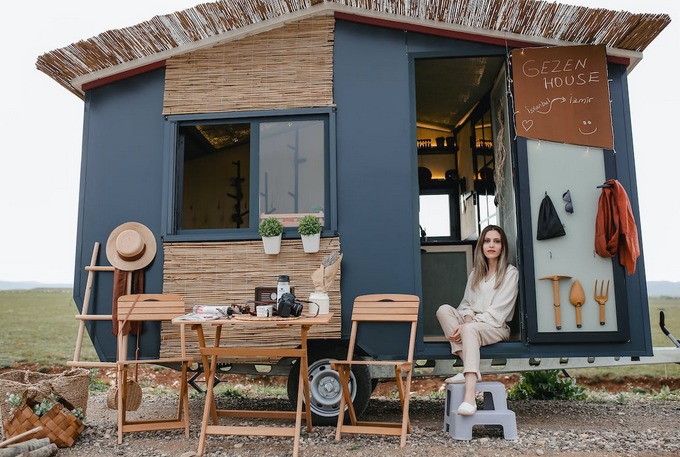
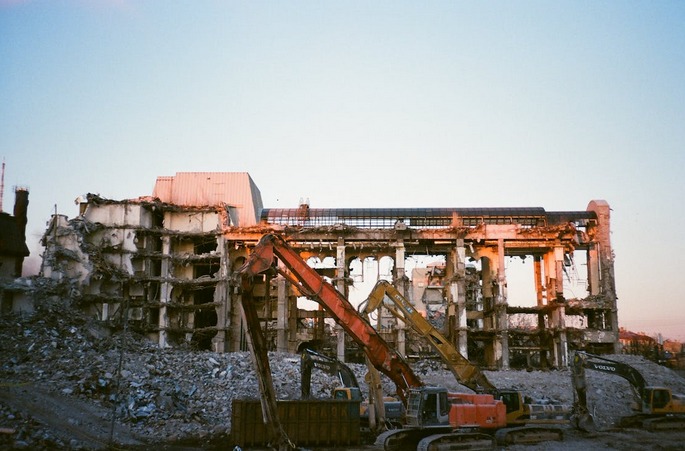
 Finally, it is essential to consider safety when demolishing a mobile home. This is because there are a lot of potential hazards that come with the job. If you try to do it yourself, you could get injured. However, if you hire professional demolition services, they will know how to safely and effectively demolish the mobile home so that you do not have to worry about anything.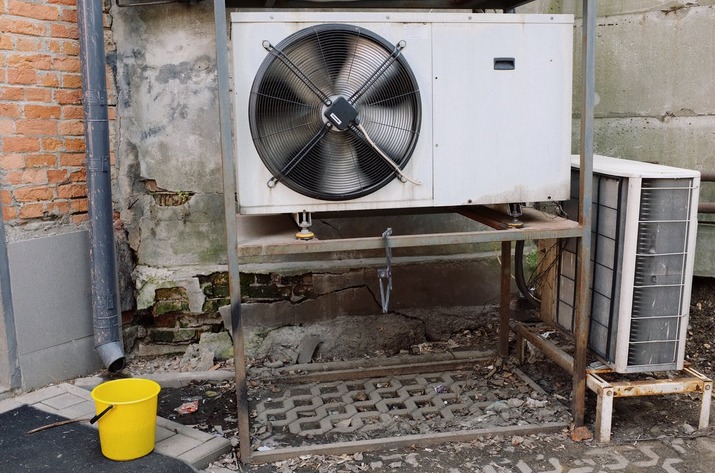
 HVAC systems help to circulate fresh air and remove harmful contaminants from home. This is important for both your health and safety. If you suffer from allergies or asthma, HVAC can help lessen your symptoms.
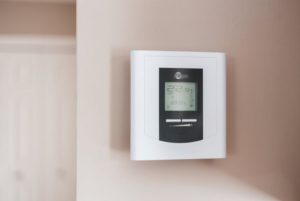 HVAC systems can also add to the value of your home. If you are planning on selling your home, potential buyers will be willing to pay more for a home that has a good HVAC system in place.
 HVAC systems can also help reduce the amount of noise in your home. If you live in a busy city, the last thing you want is for your home to be filled with noise from traffic or construction.